
Eight evil thoughts
A little known lesson from the wisdom of our forefathers in the faith

I have been reading a beautiful book by Fabio Rosini, L’Arte della Buona Battaglia,

Originally written in Italian and translated only into Spanish so far, it is a pity that such a beautiful book has not reached a wider English-speaking audience. I will try to distill some of the lessons I learned from it here, hoping you will find them interesting. My intent is not to be scholastic, but rather—following Rosini’s line of exposition—to digest these lessons in a language that can be easily remembered, for our spiritual benefit.
The book discusses teachings from an early Church Father, Evagrius Ponticus (c. 345–399 AD), a key figure in early Christian monasticism and ascetic theology.
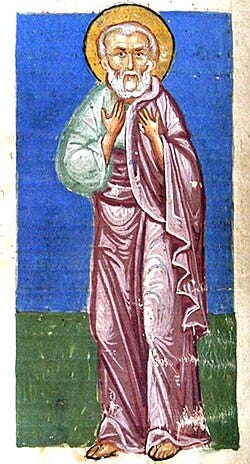
Evagrius developed a list of eight generic logismoi (Greek: λογισμοί, often translated as “thoughts,” “evil thoughts,” or “passionate thoughts”). These are the primary demonic temptations or mental patterns that assail the soul, particularly in the context of desert monastic life. They form the foundation for later traditions, such as the Seven Deadly Sins.
Here is the standard list of Evagrius’s eight logismoi (in the order he typically presented them):
Gluttony (γαστριμαργία / gastrimargia) – excessive desire for food or overindulgence in eating.
Lust / Fornication / Impurity (πορνεία / porneia) – sexual temptation or unchastity.
Avarice / Greed (φιλαργυρία / philargyria) – love of money or material possessions.
Sadness / Dejection (λύπη / lypē) – sorrow or despondency, often arising from unfulfilled desires or loss.
Anger / Wrath (ὀργή / orgē) – destructive rage or persistent irritability.
Acedia / Sloth (ἀκηδία / akēdia) – spiritual listlessness, boredom, or discouragement in prayer and ascetic practice (often described as the “noonday demon”).
Vainglory (κενοδοξία / kenodoxia) – empty pride or the search for praise from others.
Pride (ὑπερηφανία / hyperēphania) – arrogance or self-exaltation above others and God.
Evagrius viewed these thoughts as interconnected: the first three primarily attack the body and its desires, the next two the passions, and the last three the intellect and spiritual pride.
In later posts, we will analyze these logismoi in more detail, with quotes from Rosini’s book, references to the original writings, and some short commentary from yours truly.
Further reading: https://comment.org/that-man-of-understanding/#